10.24.2010

The L(f)ST - Little - Solar Tracker

For our two week, solar tracking project we developed a mechanical system that essentially used 3 points to adjust a plane to align itself normal to the direction of light.  The central spring provides just enough force to keep the tracking piece in place but is also flexible enough for the 3 strings to adjust its orientation without much force.  The 3 servos operate independently according to the amount of light that each photo-resistor is receiving.


SmartSurfaces2_503.jpg


I focused on modeling the LFST in Digital Project.  We wanted to use the software to allow us to produce many variations of our form and test some of the geometrical properties that are inherent in our system.  Based on the assumption that springs bend with a uniform radius (like a slinky at 180 degrees makes a semi-circular profile) I built a series of related geometries to simulate the motion of our tracker.


Using a design table with a series of variations we simulated the motion according to the length of each of the control strings.


Additionally I think that our group dynamics have improved significantly since the last project.  We are developing ways of working more efficiently as a group and also independently.  Subdividing tasks according to personal interests and skill sets has proved very beneficial to our progress.  

9.29.2010

2 Way Framework

Our idea of using wire soldered together failed and we had to come up with a quick solution the day before the project was due.  Heres my proposal:


This is a two-way frame system that uses the acrylics strength and rigidity to support our panel system.  By using a detailed digital model we can cut the slits precisely to streamline the fabrication.  An additional benefit is to be able to laser cut the screw holes to attach the hinges avoiding hours of tedious drilling. All that was needed to keep it together was a bit of acrylic weld at the hinges.


Assembly Diagram

9.27.2010

Finalizing and Fabricating

Based on the feedback we found out in our second critique we have narrowed our focus for the final week. We will be presenting a surface that can regulate the temperature and humidity of a grow pod for small urban gardens suspended on the sides of buildings.

Here is the form we will use:

The diagram is to describe a couple of string closing systems that we could use to animate the panel controls.  The form is streamlined to maximize water run-off from the exterior wall of the building.  Each panel is clear to allow direct light transmission.  The top and bottom parts will house the mechanical systems and theoretically the soil base for the plants.

9.19.2010

New Prototypes

After our critique last week we refined our approach and explored new geometries. Here is a prototype I came up with:


The idea is a grow pod that folds down to expose plants growing in the middle.  The central acrylic portion is used as a leverage device to pull the panels closed and also as a support structure for the plants growing in the middle. 

Here are a few of the other ideas:


DSC03381-white.jpg


DSC03370+white.jpg


I suspect the best solution lies somewhere between the three ideas.

9.14.2010

What is a Smart Surface?

For our first project we have 3 weeks to design something based on the following criterion:

1. Expose
2. Shapes cover curved surfaces (i.e. turtle shells)
3. Smart surface

We didn't have too much trouble brainstorming ideas that met 2/3 of the prompts; however, meeting all three was a challenge.  One of the biggest issues we dealt with was determining whether our ideas could actually be considered a smart surface.

Based on criteria 2 we started experimenting with polyhedra and other basic geometries that are found in nature at several different scales.  For example:

           de08-03-hiv-poeschla_004.jpg300px-Icosahedron_1.png
The HIV virus uses the basic icosahedron for its structural efficiencies.

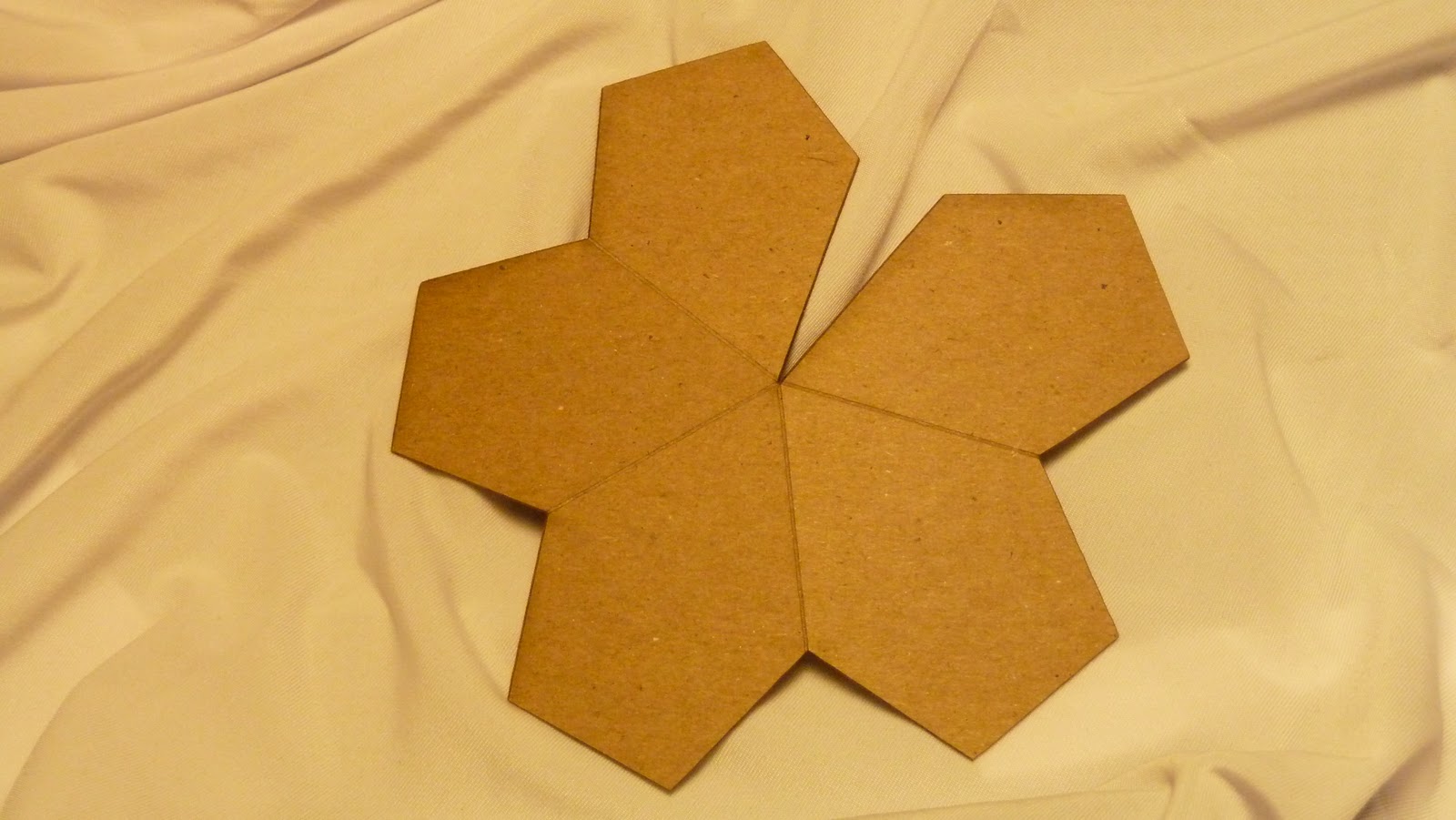
We also started to play with folding polygons to generate functionality:


As far as team cooperation goes for the first few meetings we all just brainstormed and explored the different ways each of us think.  As the project develops I suspect we will move to a more specialized system to take advantage of our individual strengths.

-Alex